Useful display
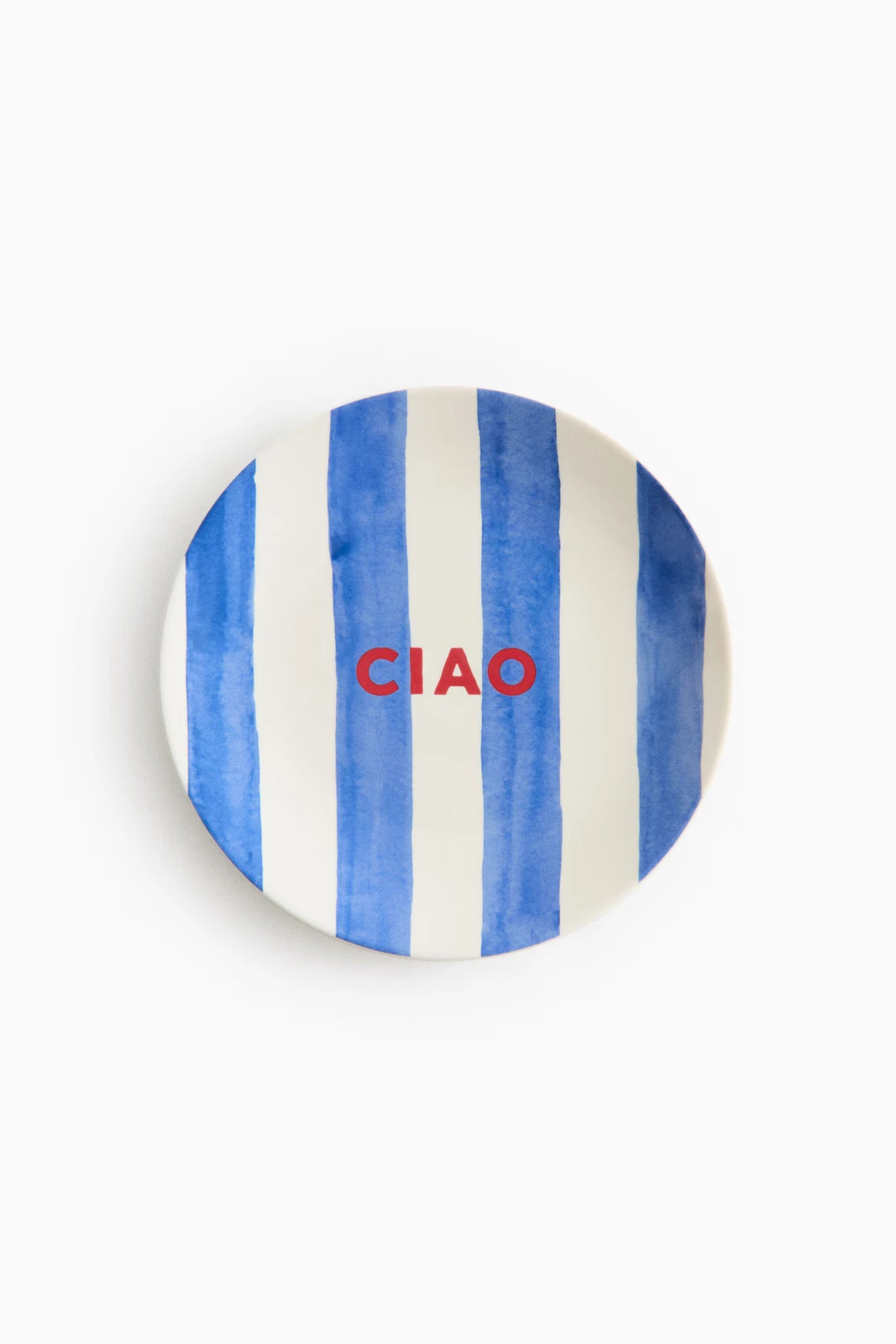
Plate Walls and Collected Displays Without the Clutter
A low-risk method for composing plates, small art and meaningful objects with rhythm and breathing room.
Quick answer
How do you arrange a plate wall so it feels collected rather than busy?
A low-risk method for composing plates, small art and meaningful objects with rhythm and breathing room.
- Compose on paper before the wall. Trace every plate and object onto paper, cut out the shapes and tape them up.
- Choose a rule you can break once. Connect the objects through a repeated colour, material or shape, then include one piece that interrupts the pattern.
- Fix for weight, not appearance. Use hangers and wall fixings specified for the object weight and wall type.
Start with what needs to work better. Add only what helps.
Compose on paper before the wall
Trace every plate and object onto paper, cut out the shapes and tape them up. Start with the largest piece slightly off-centre, then build a loose path around it.
View the arrangement from the doorway and the table. Wall displays belong to the whole room, not only the person standing directly in front of them.
Choose a rule you can break once
Connect the objects through a repeated colour, material or shape, then include one piece that interrupts the pattern. That exception gives the display character.
Keep the spacing more consistent than the objects. Reliable gaps allow mixed pieces to feel intentional.
Fix for weight, not appearance
Use hangers and wall fixings specified for the object weight and wall type. Decorative adhesive is not automatically suitable for ceramic overhead.
Renters can create the same collected effect on a picture ledge or shallow shelf, subject to safe fixing and load limits.
Keep it simple
Keep what makes the room easier to use. Everything else can wait.